Online Reputation Management: How to Control What Customers See
Before a customer ever calls you, they've already Googled you. What they found decided whether they called at all.
That's the entire weight of online reputation management in one sentence. Your reviews, your star rating, the first page of search results for your name — that's your storefront now, and most people never walk past it if it looks bad. The good news: your reputation is far more controllable than most business owners think. Here's how it works and what to actually do about it.
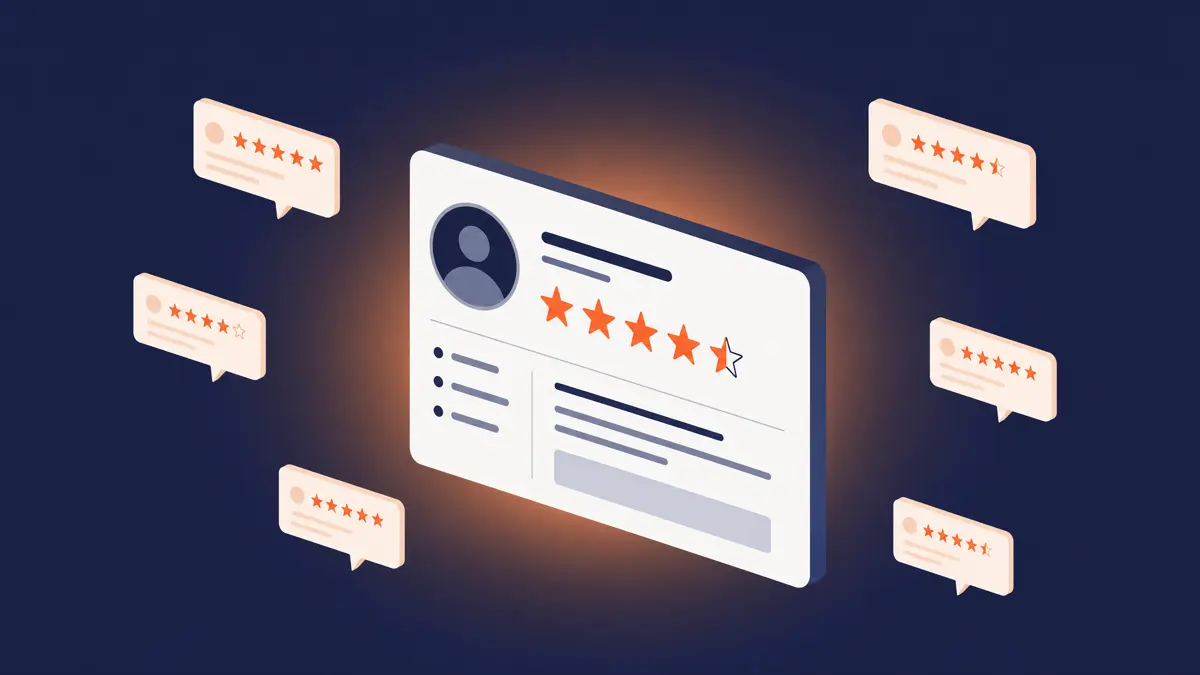
What Online Reputation Management Actually Is
Online reputation management is the ongoing practice of shaping what people find when they look you up. That means three things working together: getting more positive reviews, responding to the reviews you have, and making sure the accurate, flattering information about your business is what ranks first when someone searches your name.
It is not about faking reviews or burying the truth. It's about making sure your real, satisfied customers are visible and your real strengths are what people see first — because by default, the loudest voice online is usually the one unhappy customer, not the hundred happy ones who never thought to leave a review.
Why It Matters More Than Most Owners Realize
The numbers are blunt. The vast majority of consumers read online reviews before choosing a local business, and most trust those reviews nearly as much as a personal recommendation. A jump from a 3-star to a 4-star average can measurably change how many people call. And a single unanswered one-star review sitting at the top of your profile can quietly cost you customers you'll never know you lost.
Your reputation also feeds your visibility. Google factors review quantity, quality, and recency into local rankings, so a strong review profile doesn't just persuade the customers who find you, it helps more customers find you in the first place. Reputation and being found are the same fight.
The Three Levers You Actually Control
Reputation feels out of your hands. It isn't. There are three levers, and all three are yours to pull.
1. Get more positive reviews
This is the biggest lever and the most overlooked. Your happy customers will leave reviews, they just need to be asked, at the right moment, with a link that takes two taps. Most businesses simply never ask, which leaves the review landscape to the rare angry customer. A simple, consistent system that requests a review right after a good experience changes the entire picture. (This is exactly the kind of thing worth automating so it happens every time, not when you remember.)
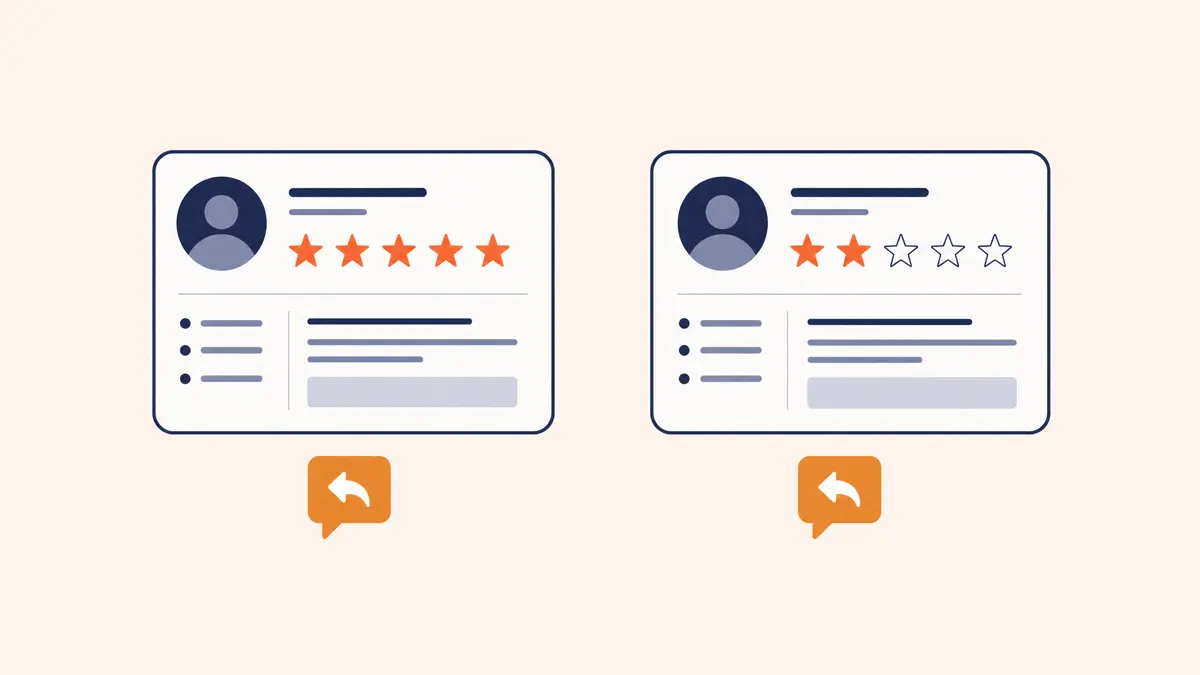
2. Respond to every review, good and bad
Responding signals you're paying attention, to the reviewer and to everyone reading later. Thank the positive ones briefly. For the negative ones, stay calm, take it offline, and show future readers how you handle a problem. A well-handled bad review can build more trust than a wall of perfect ones, because it proves there's a real, responsive business behind the listing.
3. Control what ranks for your name
When someone searches your business, the first page should be assets you own and control: your website, your Google Business Profile, your social pages, legitimate directory listings. The more strong, accurate properties you own on page one, the less room there is for anything you don't want representing you. This overlaps directly with good local SEO.
How the Pieces Fit Together
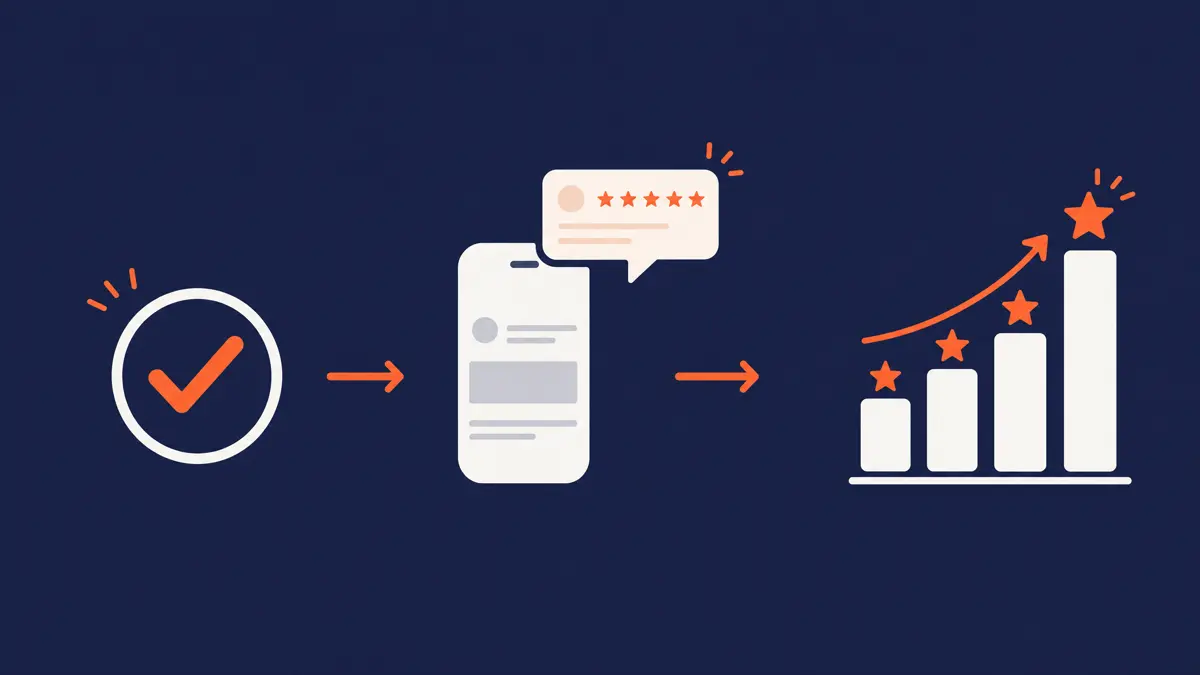
Here's the practical view of what a reputation system looks like in motion.
| Activity | What it does | How often |
|---|---|---|
| Review requests after each job | Steadily grows your positive review count | Every transaction |
| Responding to new reviews | Builds trust with future readers | Within a day or two |
| Monitoring mentions of your name | Catches problems before they spread | Ongoing |
| Keeping profiles accurate & complete | Owns more of page one for your name | Reviewed monthly |
| Handling negative feedback offline | Resolves issues and limits public damage | As it happens |
Done consistently, this compounds. A few months of steady review requests and prompt responses can move a mediocre profile into one that actively wins business. The hard part isn't any single step; it's doing all of them, every time, without it falling off your plate.
What About Bad Reviews You Can't Remove?
First, the honest truth: you usually can't delete a legitimate negative review, and you shouldn't want to. A profile with nothing but perfect five-stars reads as fake. What you can do is respond well, and bury the impact by generating enough genuine positive reviews that one bad experience becomes a small dot in a strong overall picture.
The only reviews worth trying to remove are ones that violate platform policy, fake reviews from people who were never customers, spam, or abusive content. Those you can report. Everything else is managed by outweighing it, not erasing it. The math favors the business that simply asks more of its happy customers.
DIY or Hire Help?
You can absolutely run reputation management yourself, and every business should own the basics: claim your profiles, ask for reviews, respond to them. Where businesses bring in help is when the volume gets unmanageable, when responses keep slipping, or when they want the review-generation and monitoring running automatically instead of depending on someone remembering.
That's the real value of a managed reputation management service, it makes the consistent part consistent. Reviews get requested after every job, new reviews get answered promptly, and your profiles stay strong without you thinking about it. The strategy is simple; the discipline of doing it every single time is what most businesses can't sustain alone.
The Bottom Line
Your online reputation is the first thing a customer sees and the last thing most owners actively manage. It comes down to three controllable levers: generate more real reviews, respond to all of them, and own what ranks for your name. Pull those consistently and your reputation stops being something that happens to you and becomes something you direct.
If keeping it consistent is the part that keeps slipping, that's where help earns its keep. A managed approach to building and protecting your reviews keeps the system running so the first thing customers see is your best foot forward.